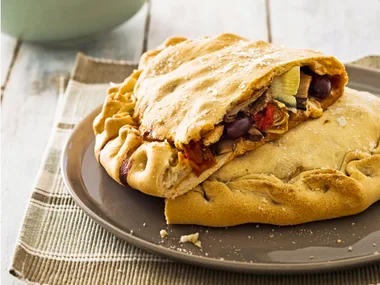


 Photographer: James Moffatt. Stylist: Lucy Busuttil.

Sloppy Joes, a sweet, tangy and deliciously messy sandwich or burger made popular in America, is a quick and easy a way to reinvent your leftover bolognese. Ready in just 15 minutes, it’s a no-fuss, all-flavour weeknight dinner the whole family will love.
Make these Sloppy Joes vegetarian with our hearty plant-based lentil bolognese.
For more waste-free ways to use up your leftovers, check out our recipe collection.
Ingredients
Method
Place bolognese, sauces and vinegar in a small saucepan; heat over medium heat until bubbling. Season to taste.
Place bread rolls, cut-side down, in a large frying pan over medium-high; toast for 3 minutes or until golden.
Divide lettuce between bread roll bases; top each with 3/4 cup of bolognese mixture, cornichons and cheddar, then roll tops. Serve with potato chips and extra cornichons.
Make these rolls your own and fill with a variety of accompaniments, such as pickled jalapeño, caramelised onion or even a fried egg.
You could also toast the bread rolls under the grill or in a toaster.
We used apple cider vinegar but use whichever vinegar you have on hand. Instead of cos lettuce, you could use other fresh leafy greens, such as baby spinach or rocket, or a slaw mix.
Test Kitchen tip
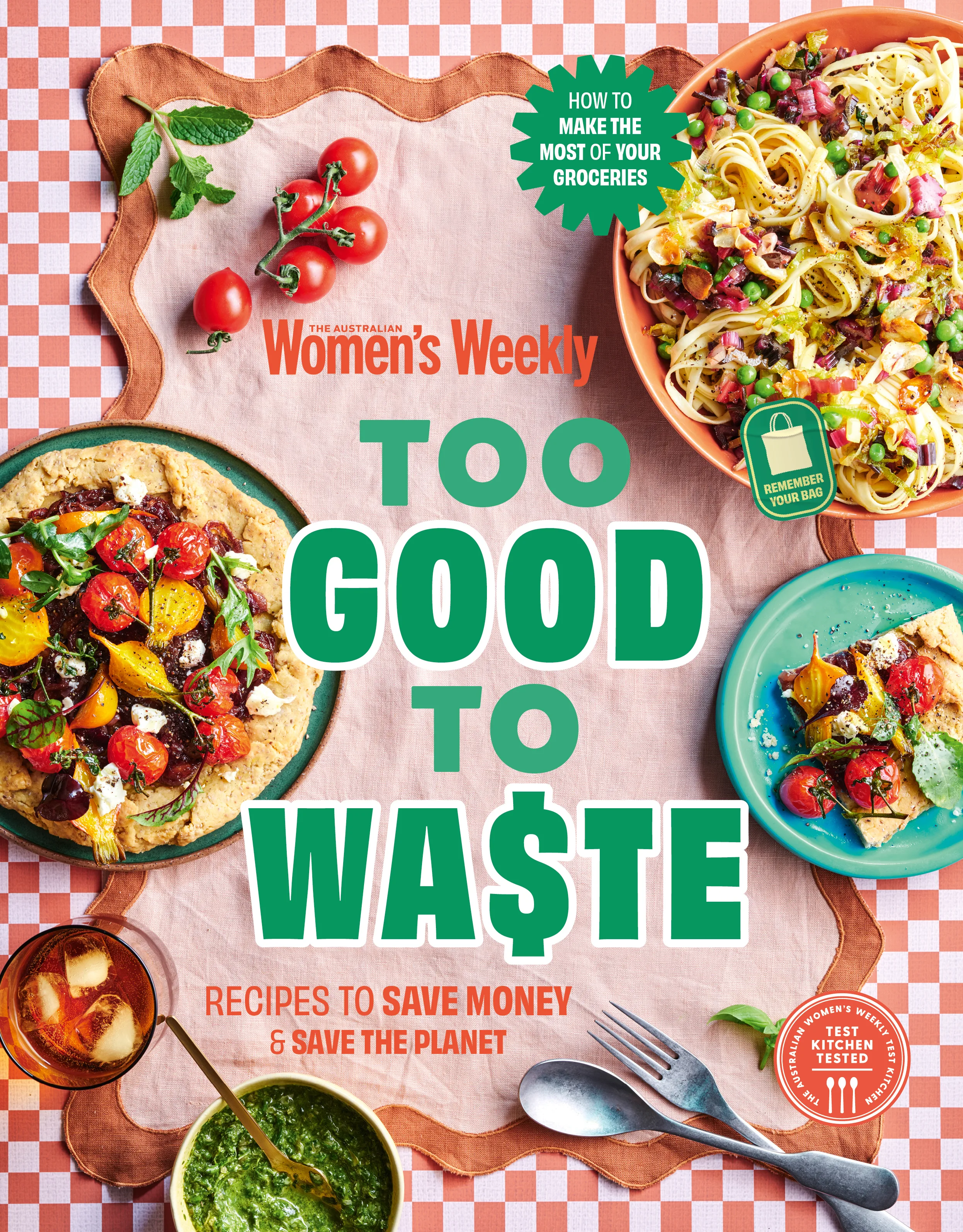
Recipe from Too Good to Waste, RRP $29.99
Make the most of your groceries with recipes to save you money & help the planet.
How to reduce food waste
Food waste happens when we buy more than we need. It also happens when we don’t store it correctly or don’t eat it before it goes off. From bread, to vegetables, to leftovers, so much of it ends up in the bin. We’ve all been there!
Purchasing in-season produce from growers and farmers within your local area is a small act but reduces waste and positively reduces your environmental footprint. Depending on where you live, you can find local food at independent grocers and stores, farmers’ markets, roadside stalls, and even online businesses that deliver straight to your door.
In comparison, food bought out of season is likely to have been transported from miles away (or even overseas). This means higher food miles, more emissions, and a significant amount of food that is spoilt and wasted in the process.