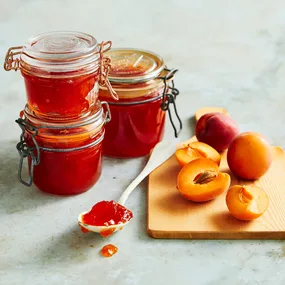



Oranges make some of the easiest and most delicious cakes and desserts, and are just as lovely in many savoury dishes! From mains to dessert, these are some of our favourite orange recipes for you to try.
There’s a stunning orange drizzle cake baked in a Bundt pan for extra wow-factor. Or try Julie Goodwin’s orange almond cake that’s perfect for easy entertaining and afternoon teas.
For something savoury, a double-crumbed pork cotoletta with radicchio & orange salad – it’s an Italian-style schnitzel. Plus so many more orange recipes you’ll love.
Plus, read on for our Test Kitchen tips for choosing, storing and preparing oranges.
Popular orange varieties for these recipes
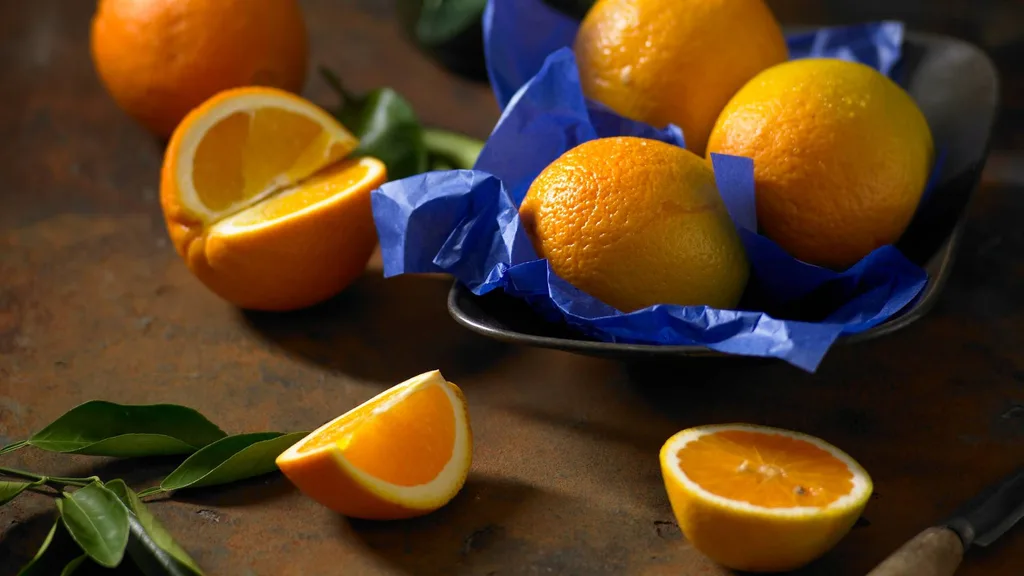
There are two main varieties of orange, the sweet and the bitter.
Bitter seville oranges are necessary for making a proper British marmalade — their flesh gives the desired bitter edge behind the sweetness and their rind gives the right aroma.
Sweet oranges come in many varieties but the main commercial ones in Australia are navels and valencias, with blood oranges appearing from late July to early October.
Navel oranges
The washington navel is a winter orange, available from autumn through to spring. Its richly coloured, pebbly skin is easy to remove and it is juicy, well flavoured and all-but seedless.
The lane late navel, an Australian variety and also seedless, is a spring orange, available from mid-spring to midsummer. It is lighter in colour than the washington but just as flavoursome.
Valencia oranges
This Australian variety is a summer orange, available from early spring into autumn. Valencias don’t have the bold good looks of navels: they are smaller, smooth-skinned and often green-tinged because they ripen in warm weather, not the cold weather that gives the bright orange colour, and they do have seeds.
Their flesh is sweet, richly coloured and very juicy, so knowledgeable shoppers buy them rather than the showy but paler-fleshed and less flavourful imported navels that are around in late summer when the Australian navels have finished.
Blood oranges
Blood oranges taste like other oranges, differing only in having crimson flesh and pink juice and being especially sweet. The skin of some varieties is pink-flushed as well, but most look like any smallish orange from the outside.
Slices and segments look spectacular in salads, dessert and garnishes and their juice makes sunset-coloured sorbets, jellies and other desserts.
The rind is not as bitter as that of an ordinary orange. Grated or thinly peeled, it can be strewn over salads, puddings or cakes.
Orange recipes to try


Orange drizzle cake

Julie Goodwin’s orange almond cake
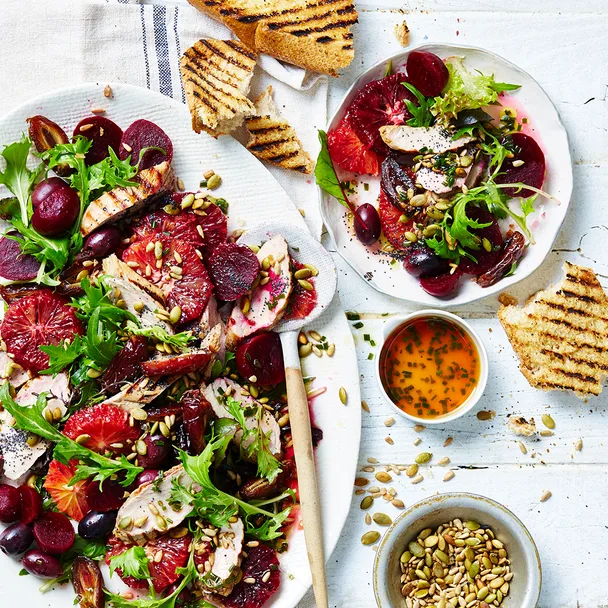
Pork fillet salad with beetroot & blood orange
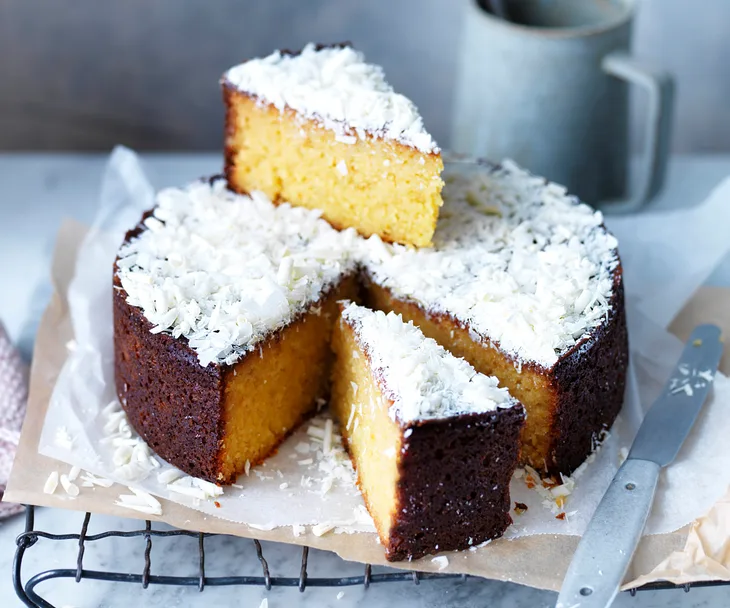
Flourless orange & white chocolate cake

Orange yoghurt cake

Air fryer orange & passionfruit delicious

Julie Goodwin’s ginger cake with orange caramel sauce

Double-crumbed pork cotoletta with radicchio & orange salad

Gluten-free whole orange cake
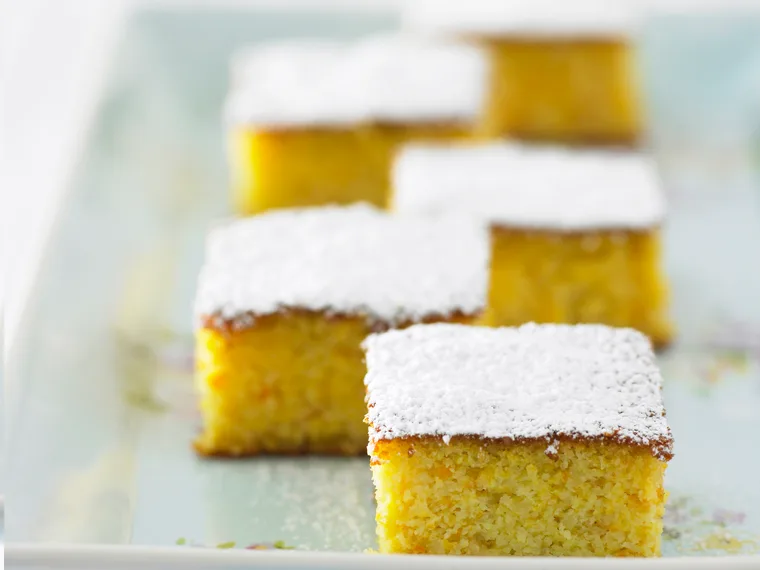
Whole orange slice

Orange and blueberry syrup cake


Orange and maple-glazed baby carrots with hazelnuts

Sugar-free rosemary, labne and orange tart

Orange coconut biscuits
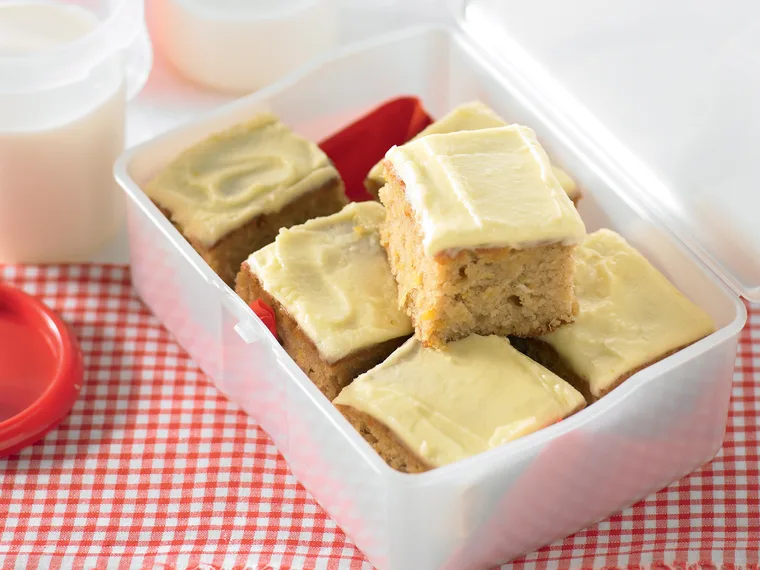
Hummingbird slice with orange icing
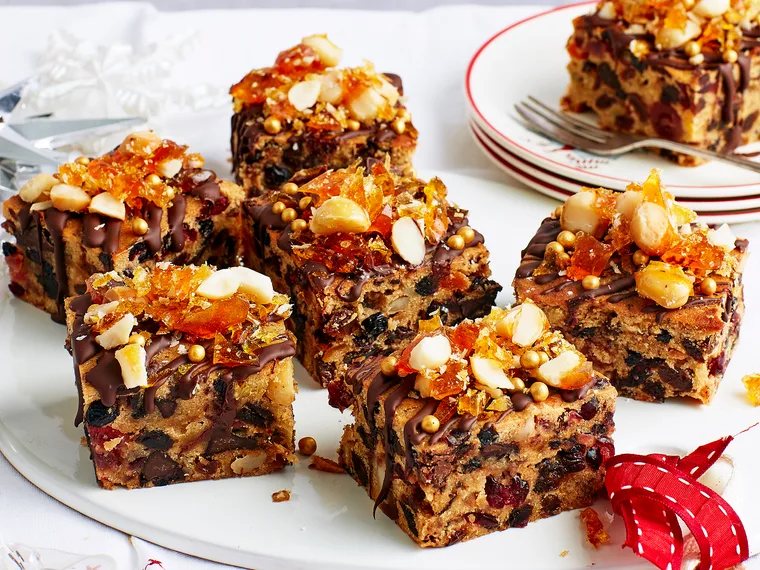
Dark chocolate and orange Christmas slice
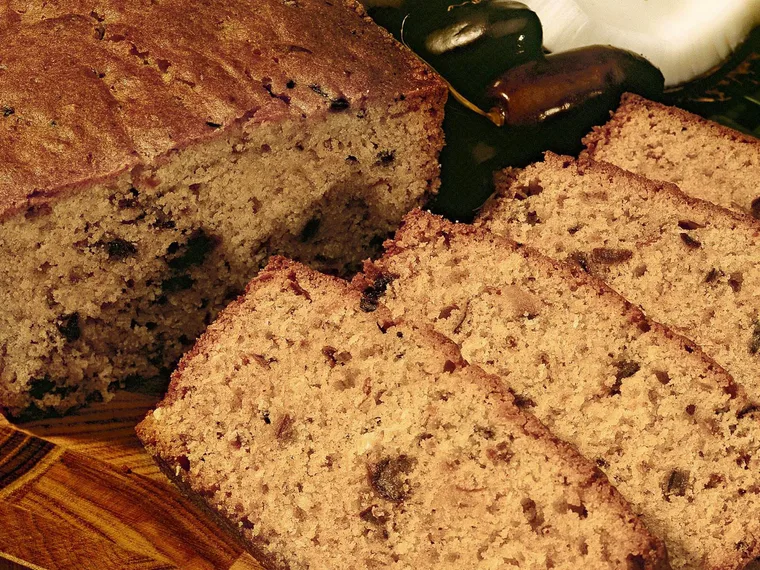
Cherry coconut and orange cake

Sweet pea, cinnamon and orange cake

Gluten-free orange cake with labne

Confit duck & candied orange salad

Whole orange cake with citrus icing

Chocolate parfait with orange salad
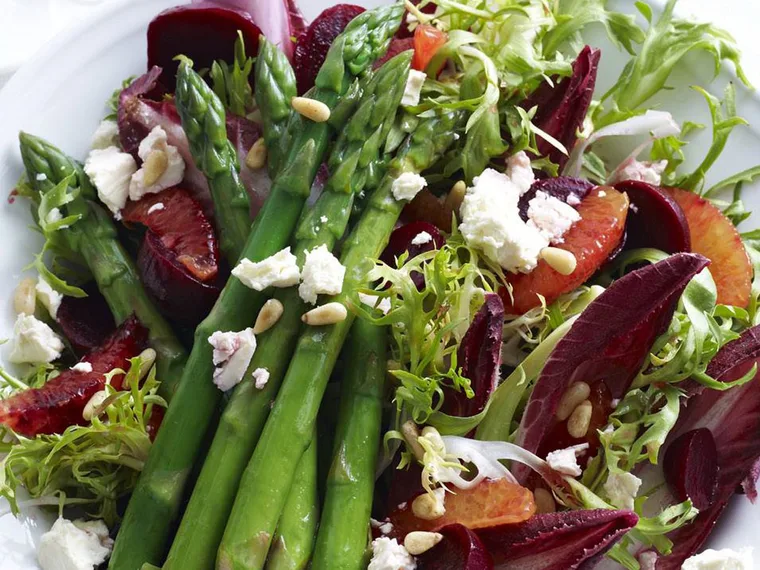
Beetroot and orange salad

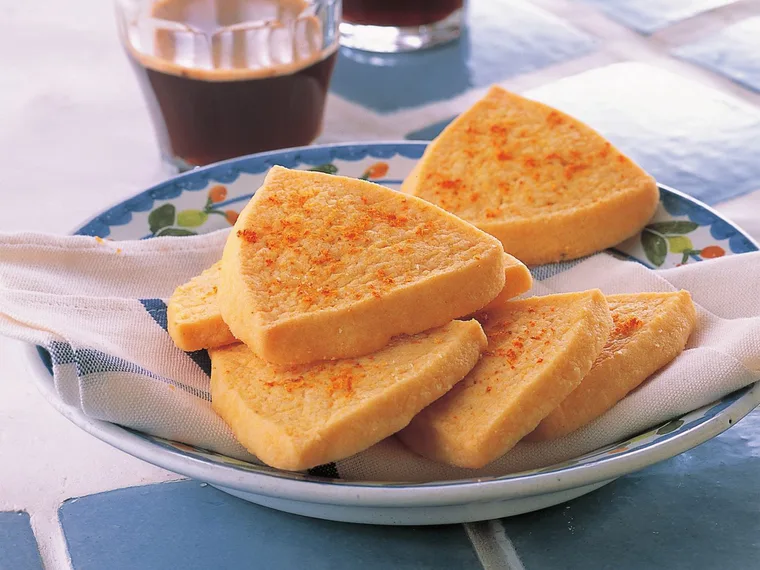

Pan-fried fish with radicchio and orange salad

Blood orange cake with blueberry compote

Blood-orange glazed ham

Tangelo tart with candied blood oranges

Blood orange cakes with mascarpone ice-cream

Orange and poppyseed cupcakes

Sweet potato cake with candied orange

Whole orange semolina cake with rosemary syrup

Blood orange hazelnut cake

Easy orange cake

How to make a chocolate orange ‘tiger’ bundt cake

Green salad with red currants & orange dressing
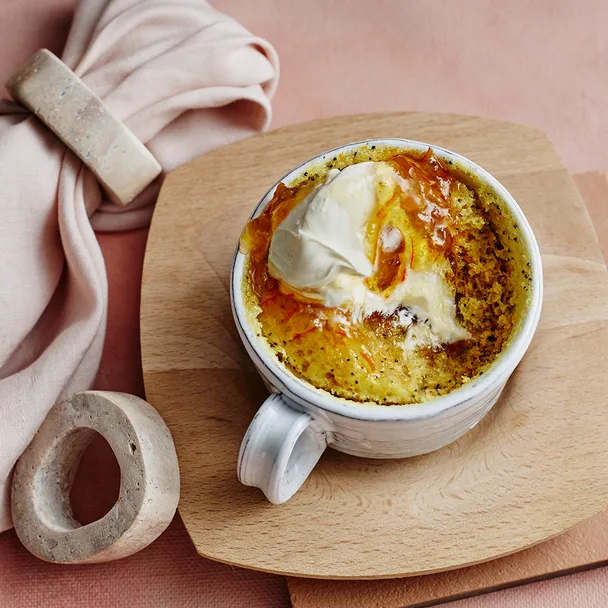
Orange, poppy seed & olive oil mug cake

Honey and orange glazed ham

Maple, mustard and orange glazed ham

Orange-glazed ham
How to choose the best oranges for these recipes
Citrus fruit will not ripen any further after picking, so choose undamaged, well coloured oranges that are heavy for their size. Avoid any that look dried out or wizened and any with soft spots.
How to remove wax from oranges
Oranges are sometimes waxed to prevent drying out, so if you are using the rind, first wash the fruit in warm water, rubbing with a cloth, and dry well.
Should oranges be stored in or out of the fridge?
Oranges will keep well for a few days at room temperature. For longer storage, keep them in the refrigerator crisper.
How to segment an orange
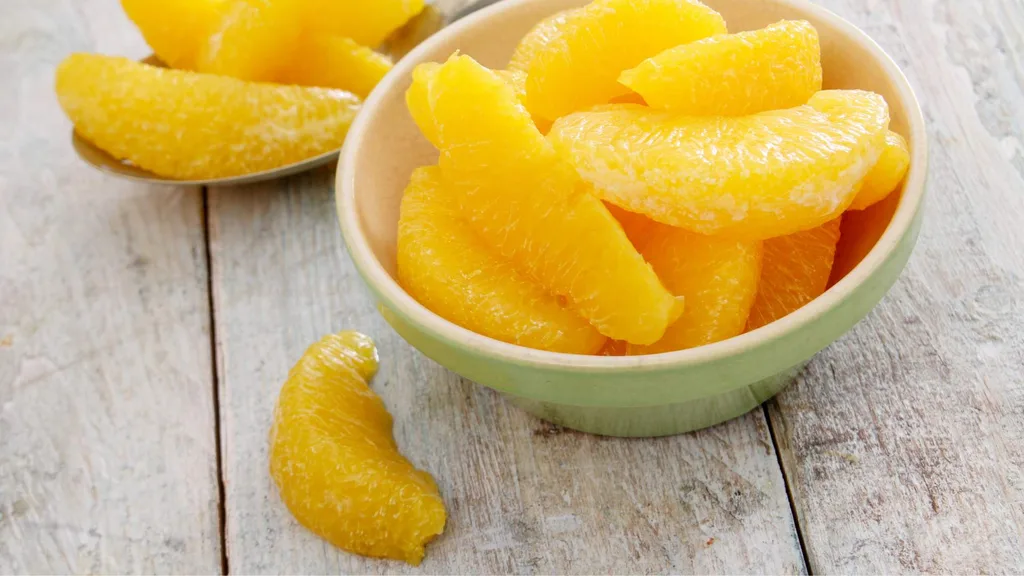
All citrus fruits can be separated into skin-on segments simply by pulling them apart. Segments used for a salad or to decorate a cake or dessert need to be skinless.
Cut both ends off the fruit, deep enough to expose the flesh, then stand it upright. Cut down, following the curved shape, to take off a section of skin with the underlying membrane so that the flesh is exposed.
Repeat all the way round, then hold the fruit and cut from the outside to the centre on each side of the dividing membrane to release skinless segments.

Related stories

Native ad body.

Native ad body.



Native ad body.