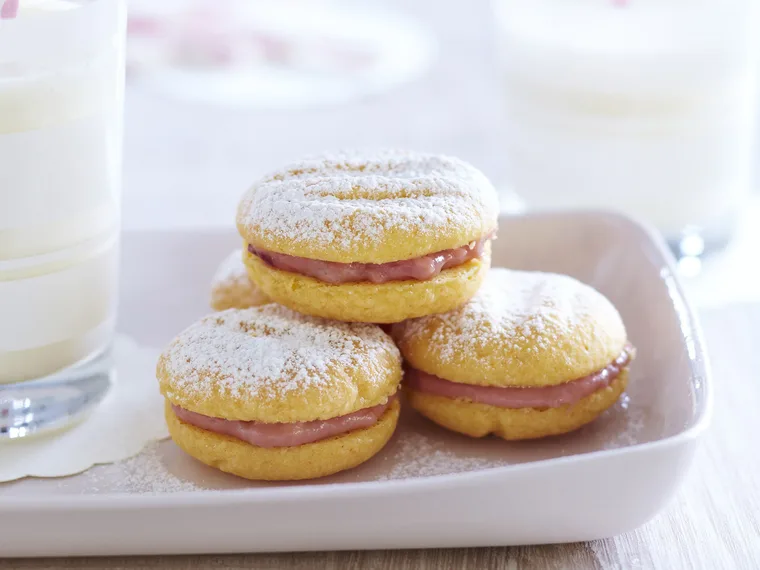



There is no smell more welcoming than that of freshly baked biscuits or cookies. Whether it’s for morning tea with a cuppa or for the school cake stall, you’ll find something suitable in this collection of biscuit recipes.
Test Kitchen techniques for biscuit recipes
Creaming the butter and sugar
Creaming is the term used when butter and sugar are beaten until ‘pale and fluffy’. You can use an electric stand mixer, hand-held mixer or a wooden spoon for the job, however the latter is hard work.
The mixture is ready when the butter has become paler in colour. The sugar does not need to be dissolved. In our recipes we also use the term ‘soft and creamy’. For this result the mixture is not beaten as much, should cling to the side of the bowl (soft) and barely change in colour.
Shaping biscuits
Using floured hands, roll 2 teaspoons of biscuit mixture into balls. The easiest way to do this is to scoop the mixture into a tablespoon measure. Then, push the mixture out and cut in half so that each half of the dough equals 2 teaspoons. Place the balls 2.5cm (1in) apart on baking-paper-lined oven trays. Flatten each ball slightly with a lightly floured fork into 4cm (1½in) rounds.
If the edges of the biscuits crack, smooth the cracks with your fingers by pressing the dough back together.
Biscuit troubleshooting
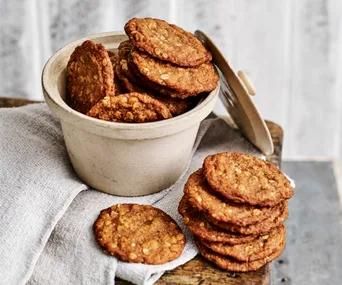
Unfortunately, biscuits and cookies don’t always emerge from the oven looking exactly like the photographs. Here’s our Test Kitchen troubleshooting guide to get you and your baking back on track.
Biscuits spread on tray
The mixture couldbe too soft due to over-beating the butter and sugar mixture, or the ingredients were measured incorrectly, the wrong flour (such as self-raising when the recipe calls for plain flour) was used or the oven was not hot enough.
Biscuits too hard
The ingredients may have been measured incorrectly, the biscuits baked too long or at too high a temperature or the wrong type of oven trays used.
Biscuits too soft
They may not have been baked long enough, or they may have been stacked on top of each other during cooling. Most biscuits need air circulating around them to crisp. They generally need to rest on the trays for a few minutes to harden slightly before being transferred to wire racks to cool completely.
Biscuits too brown underneath
Trays may have been over-greased, or the tray is in the incorrect position in the oven.
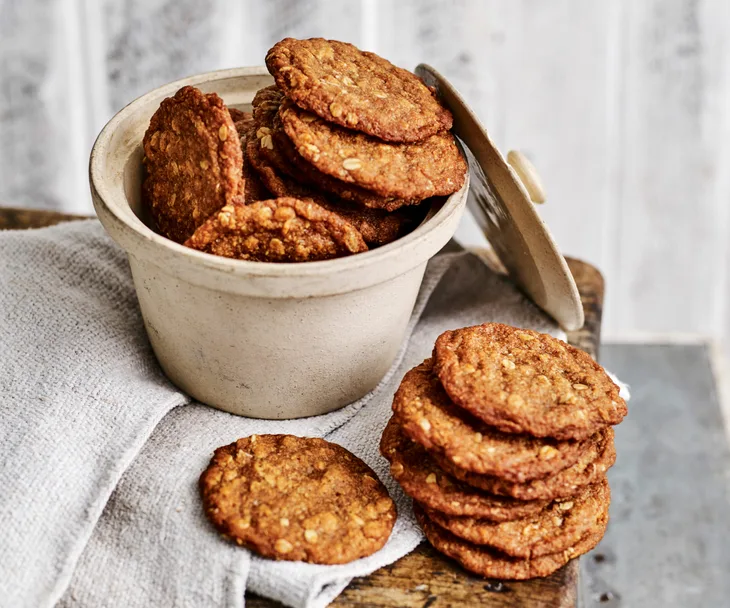

The best Anzac biscuits recipe of all time
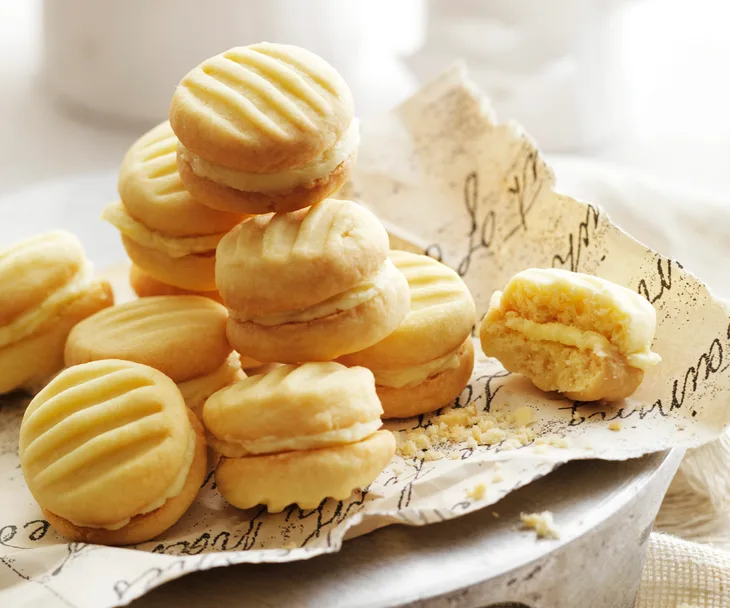
Melting moments
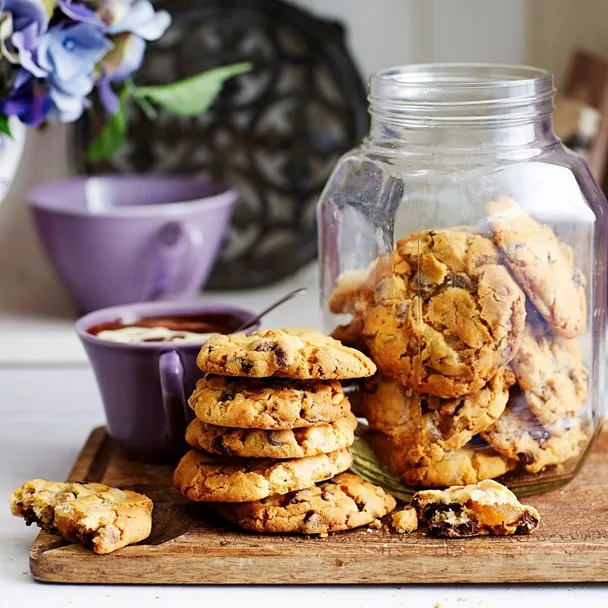
Julie Goodwin’s chocolate and ginger cookies
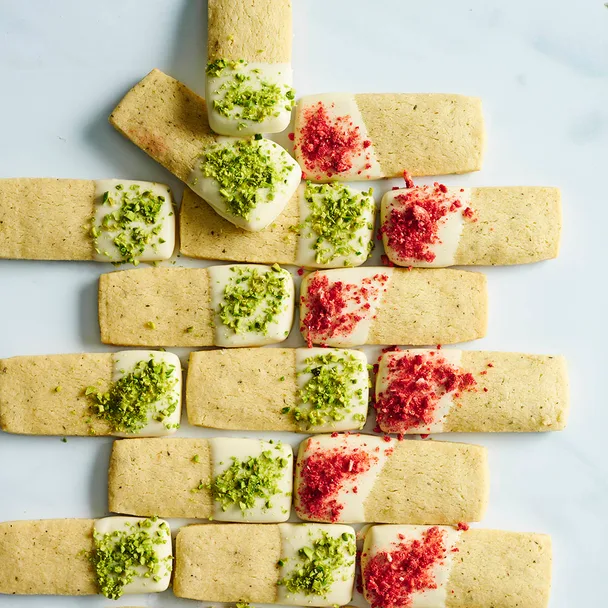
Lemon myrtle shortbread biscuits

Spiced gingerbread biscuits
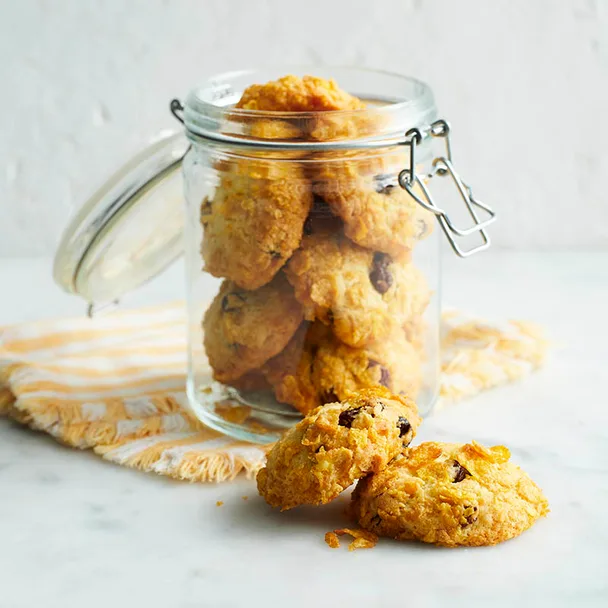
Cornflake cookies

Jam drops

Monte Carlo biscuits

Gingerbread biscuits

Gluten-free melting moments

Chocolate Biscoff melting moments
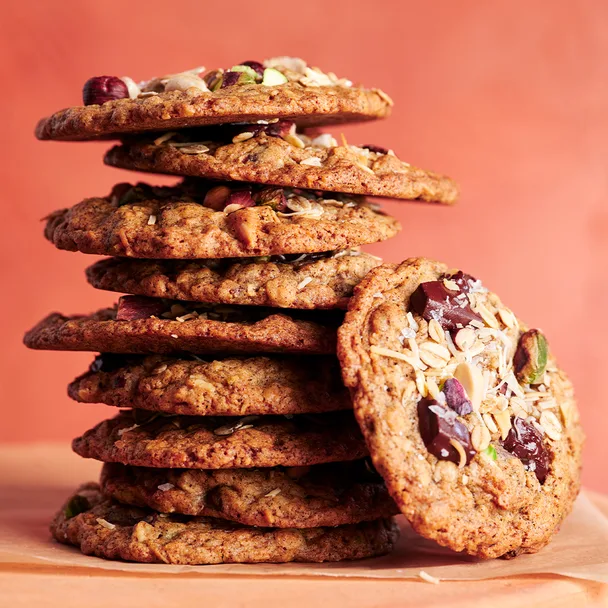
Pantry compost biscuits
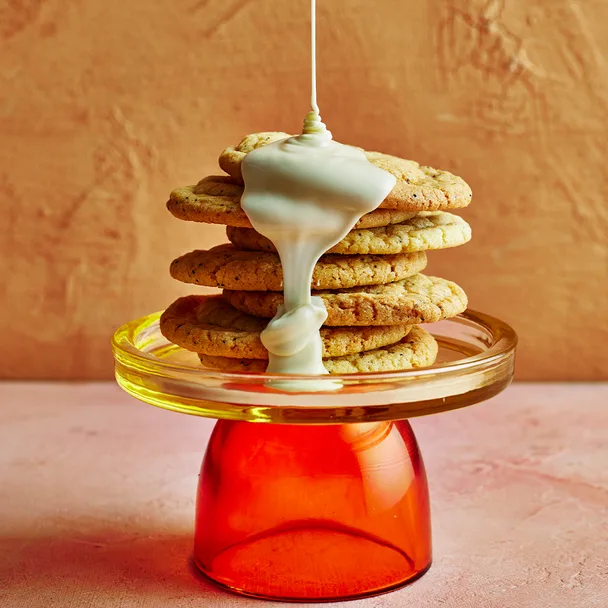
Lemon and poppy seed biscuits
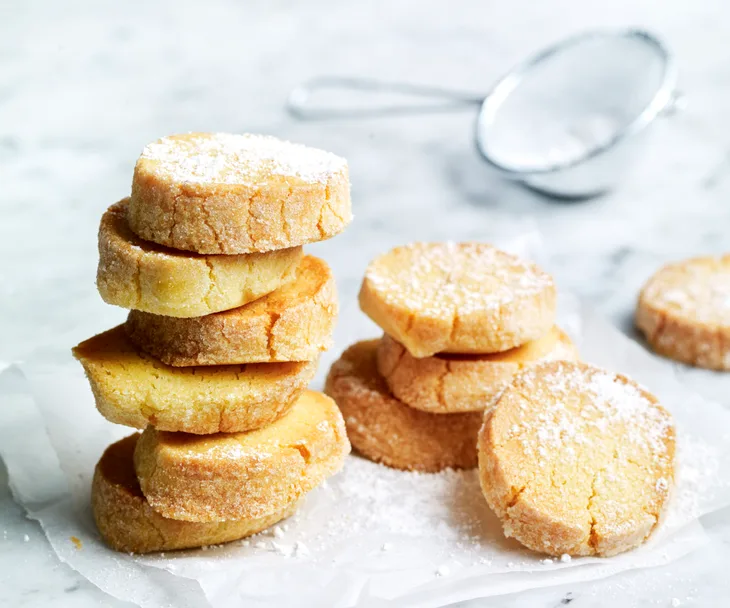
Air fryer basic vanilla butter cookies
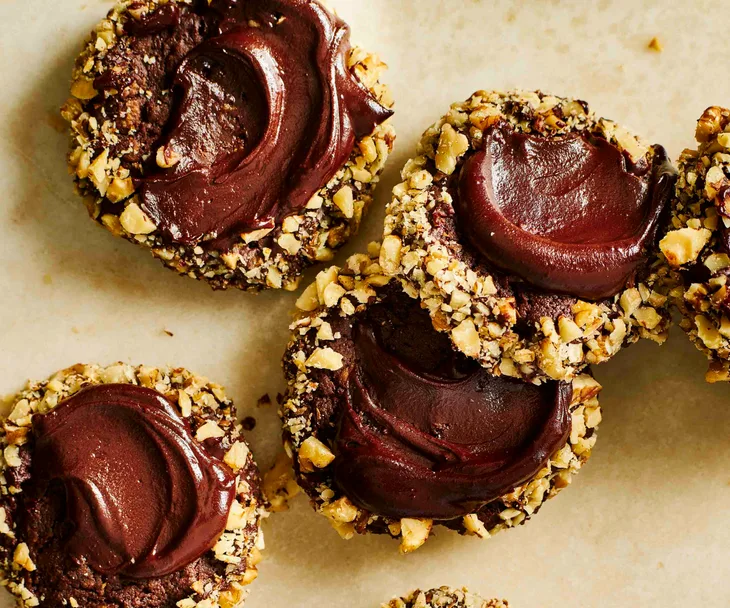
Chocolate cornflake biscuits with mocha ganache
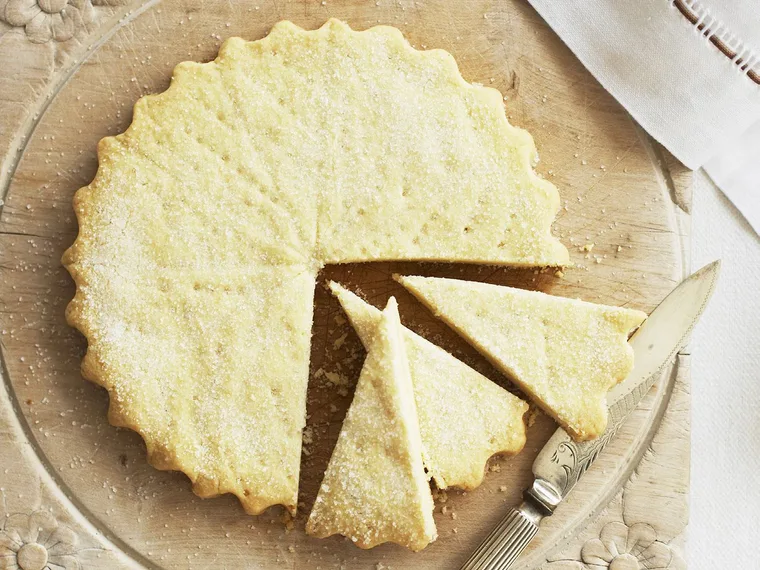
Traditional shortbread

Chocolate chip cookies
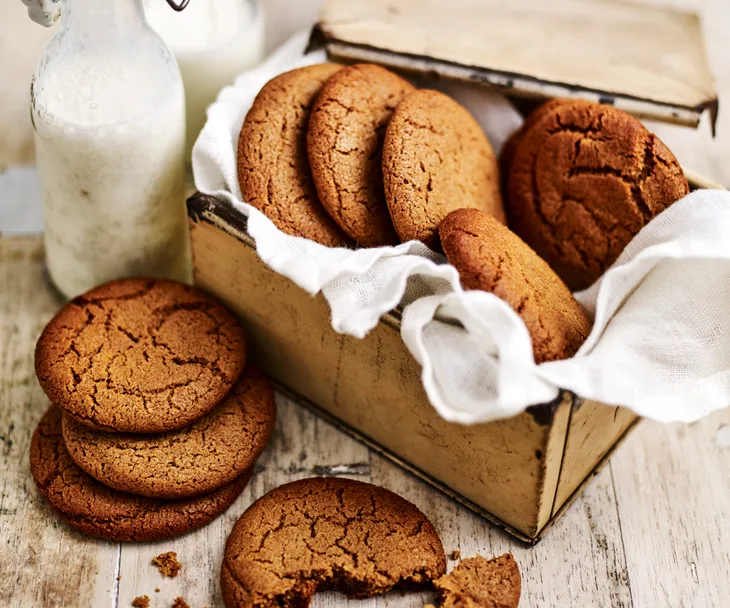
Gingernut biscuits

Dark chocolate, olive oil and rye cookies

Coconut macaroons
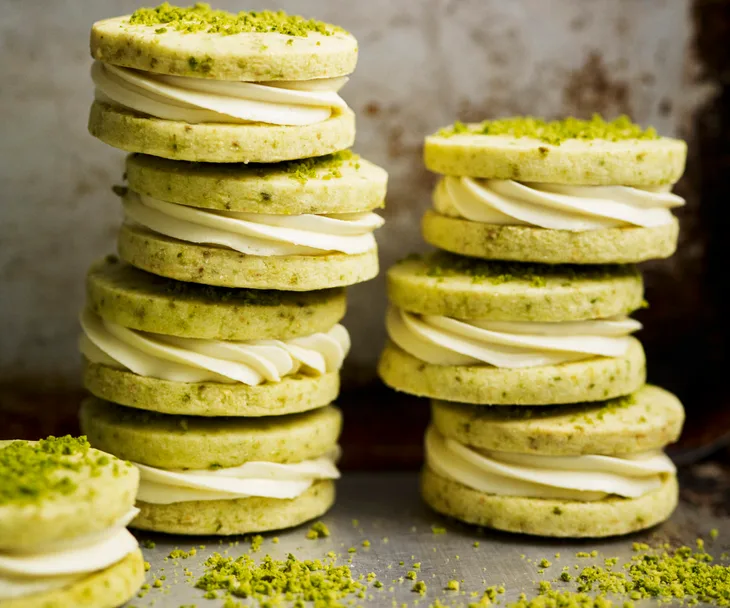
Gluten free pistachio and lemon sandwich biscuits
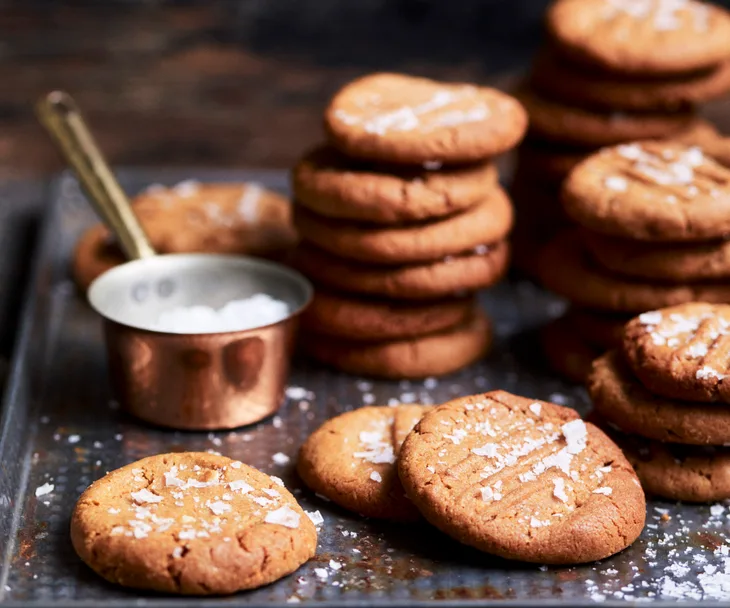
Gluten-free peanut butter cookies

Coconut jam drops

Double chocolate freckles

White chocolate macadamia cookies
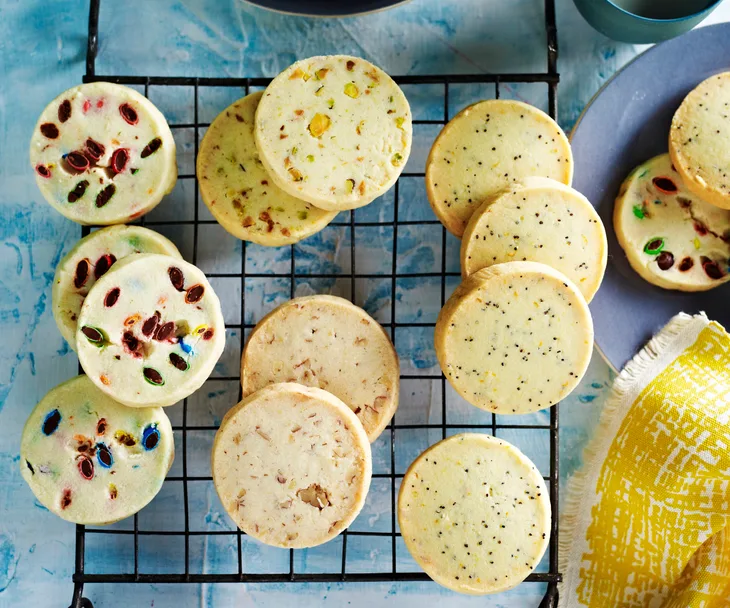
Slice and bake biscuits

Chocolate chunk and raspberry cookies

Passionfruit melting moments
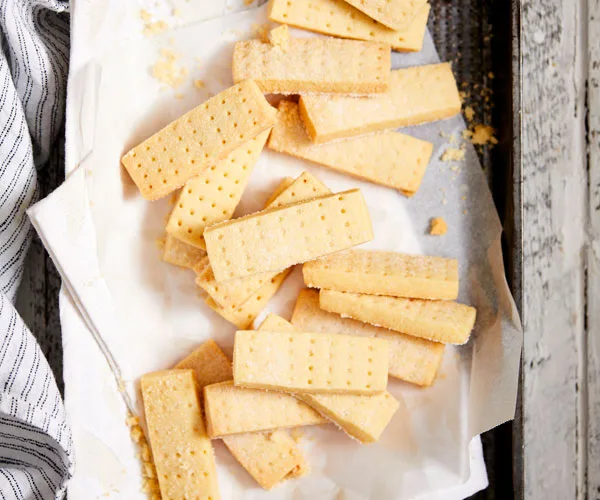
Shortbread fingers

Basic oat cookies

Honey snap biscuits
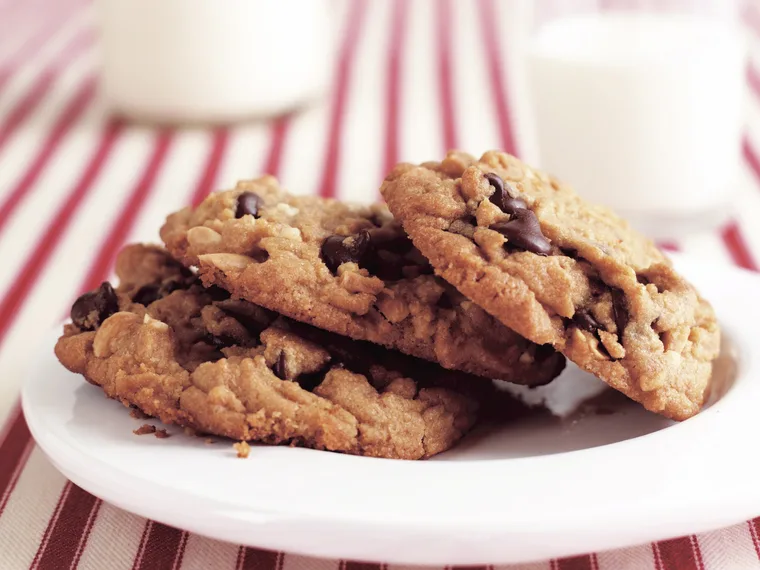
Peanut butter choc chunk cookies
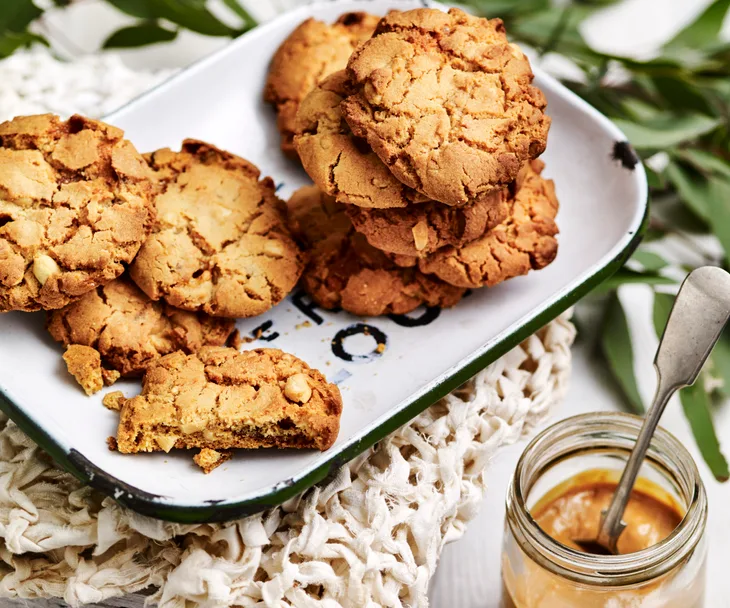
Peanut butter cookies
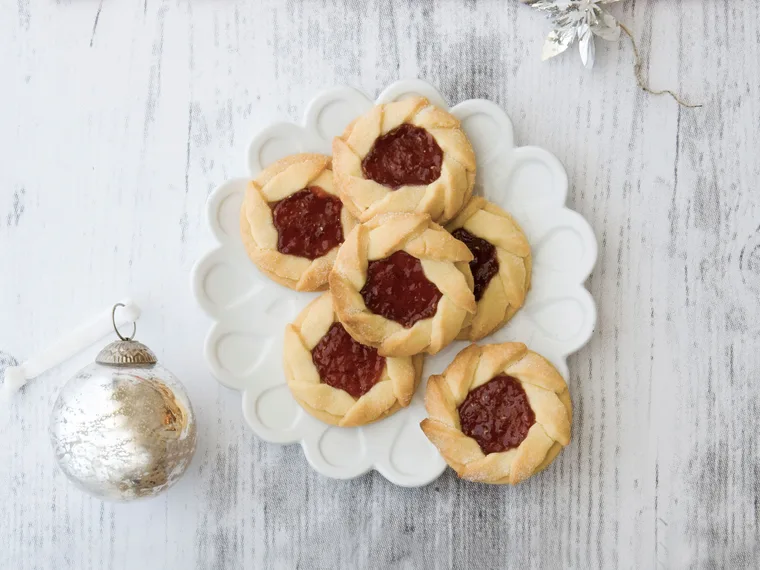
Jam wreaths

Dark chocolate French macarons
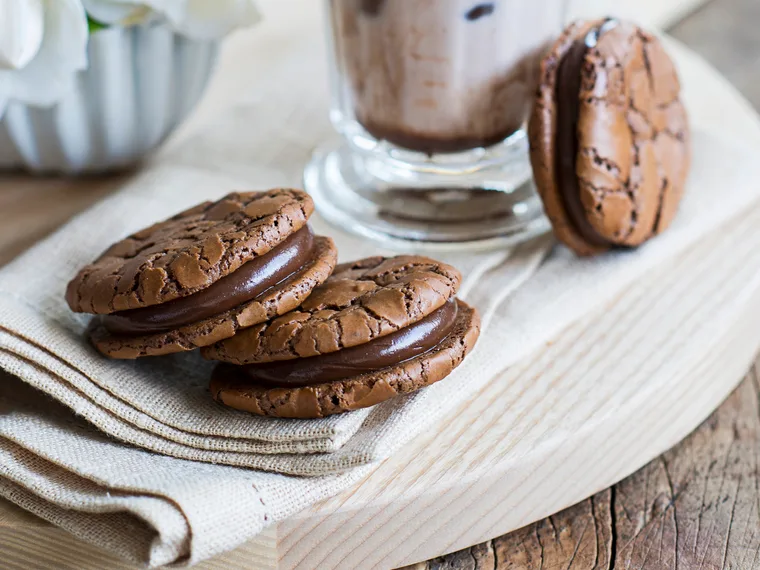
Double chocolate brownie cookies
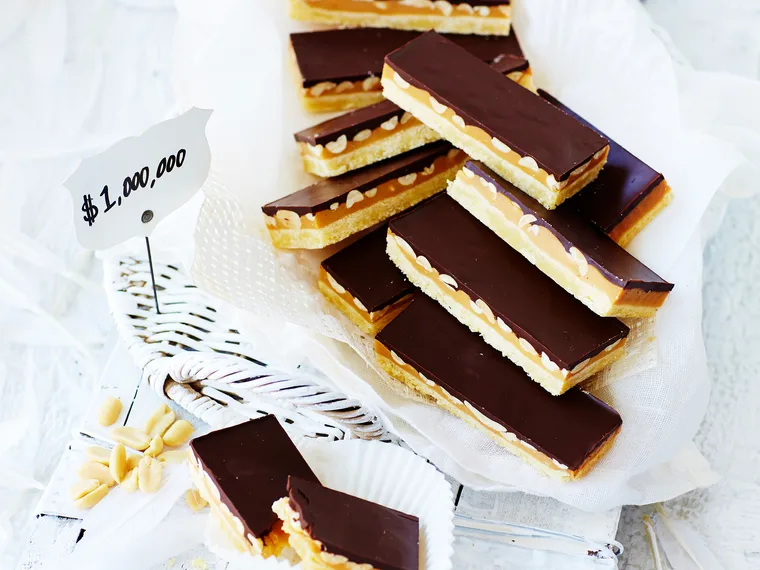
Millionaire’s shortbread

Giant macadamia, white chocolate and cranberry cookies

Mint slice biscuits
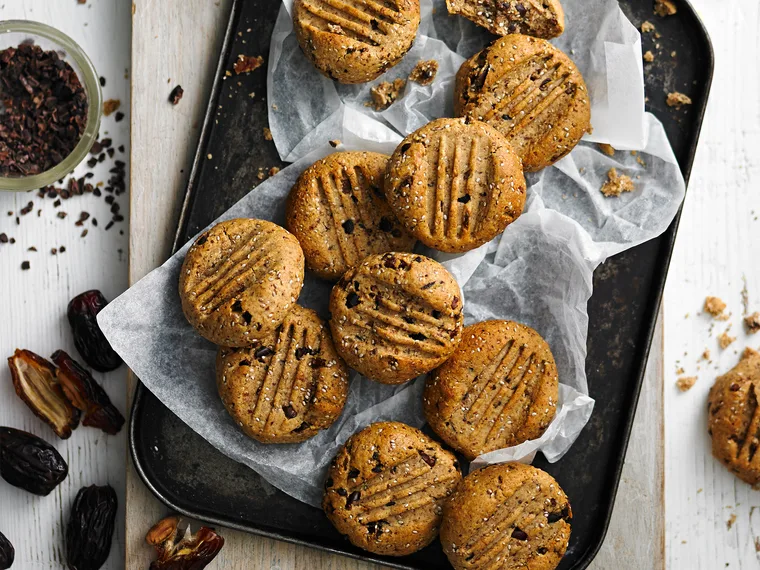
Dairy-free hazelnut and cacao cookies

Strawberry and cream biscuits

Praline custard creams

Golden cinnamon biscuits
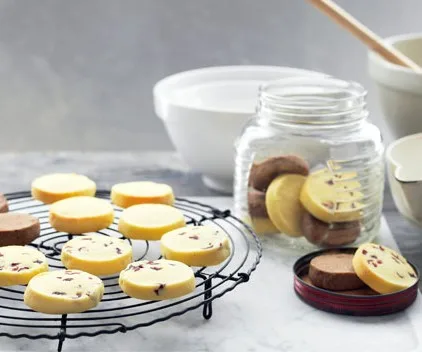
Butter biscuits
Gingernuts

Chocolate and coconut cookies

Smartie biscuits
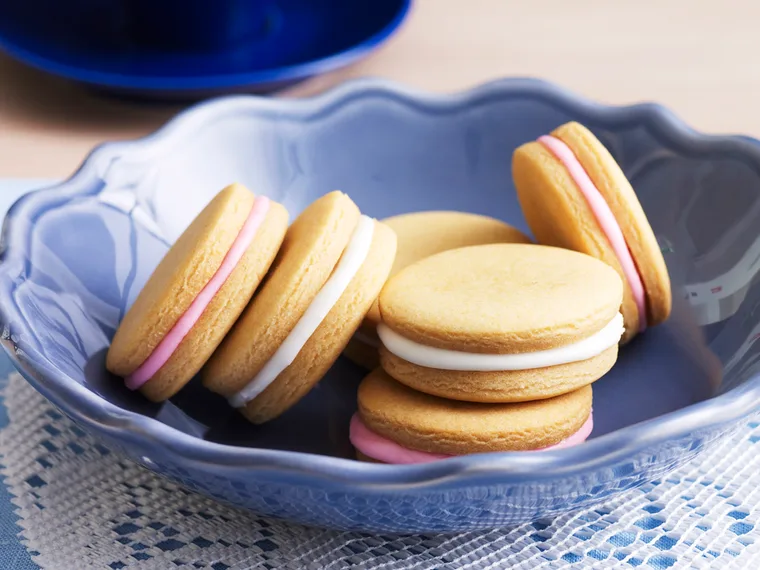
Honey biscuits

Afghan biscuits
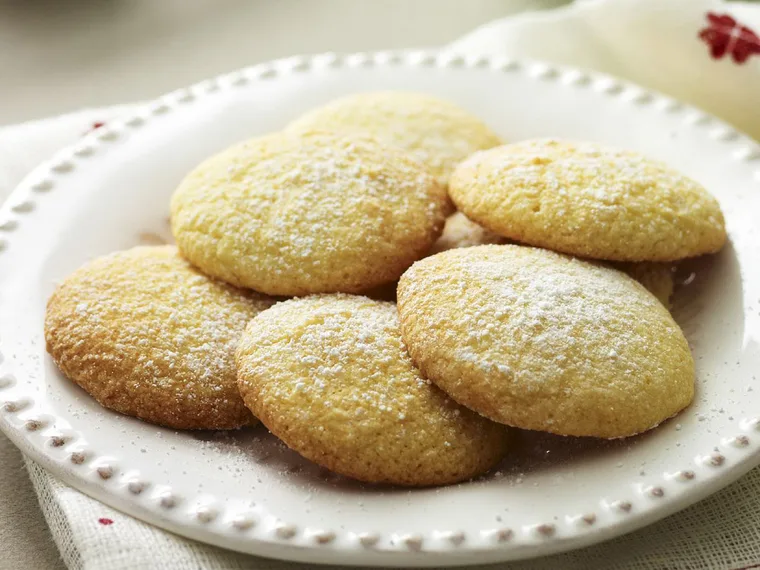
Ghoriba biscuits

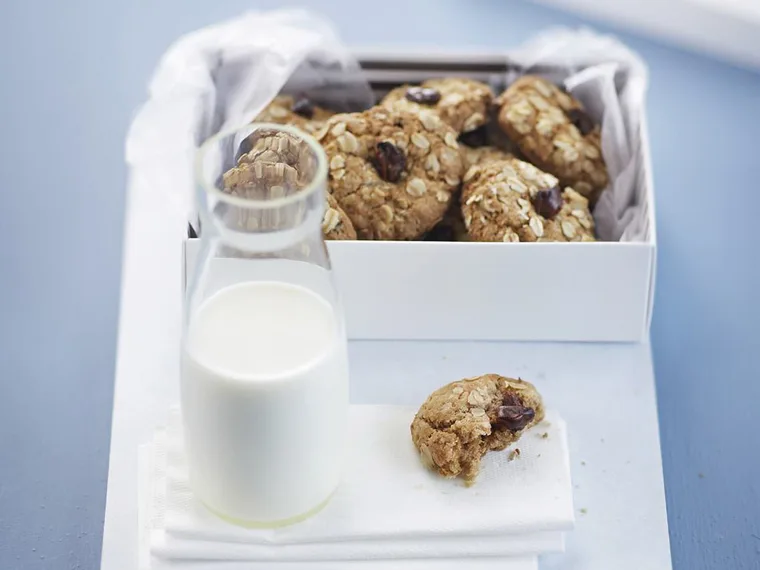
Banana, date and oat cookies
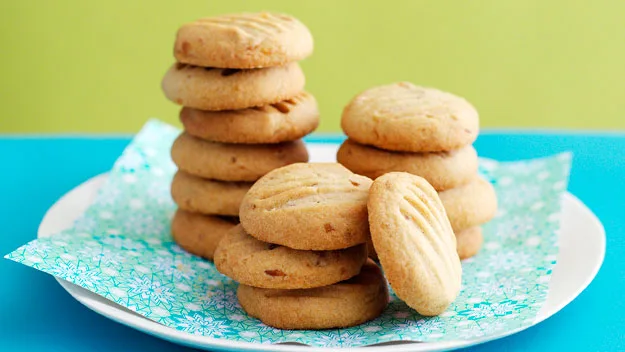
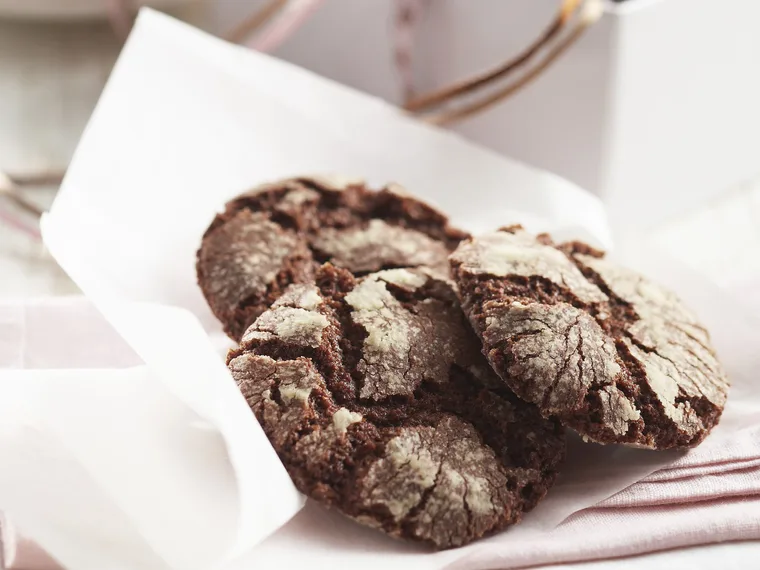
Chocolate lace cookies

Orange and ginger florentines