

 Photography: Con Poulos. Styling: Michele Cranston.

This easy basic scone recipe uses just 3 simple ingredients to create perfectly fluffy, golden scones in 30 minutes. With self-raising flour, butter, and milk, you’ll have bakery-quality homemade scones that are crispy on the outside and light and airy on the inside.
Perfect for afternoon tea with jam and cream, or as a delicious breakfast treat, this basic scone recipe is your go-to for effortless baking.
Ingredients
Method
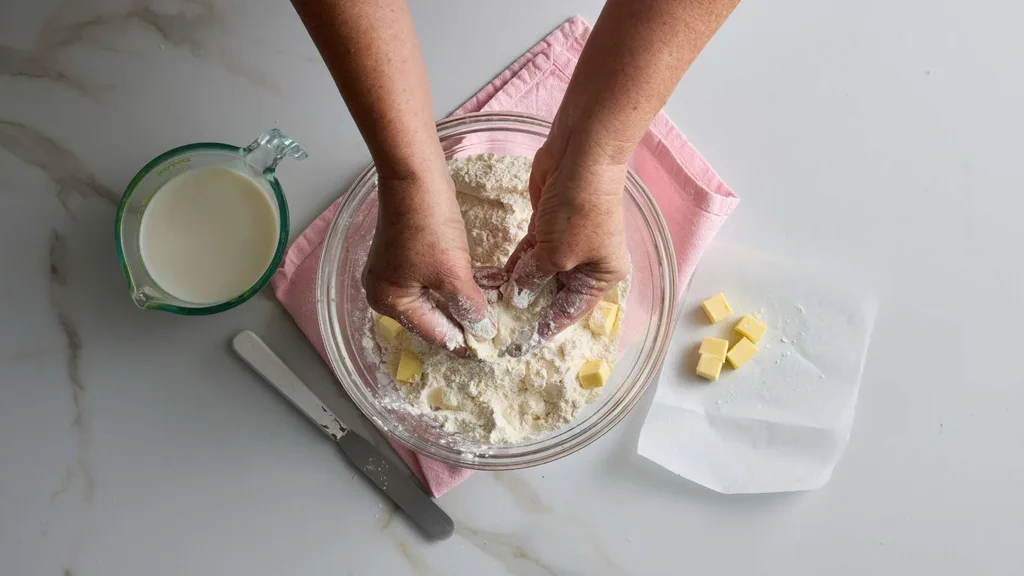
Preheat oven to 200°C (180°C fan-forced). Grease and line a baking tray with baking paper. Sift flour and salt into a large bowl. Rub in butter to make fine crumbs.
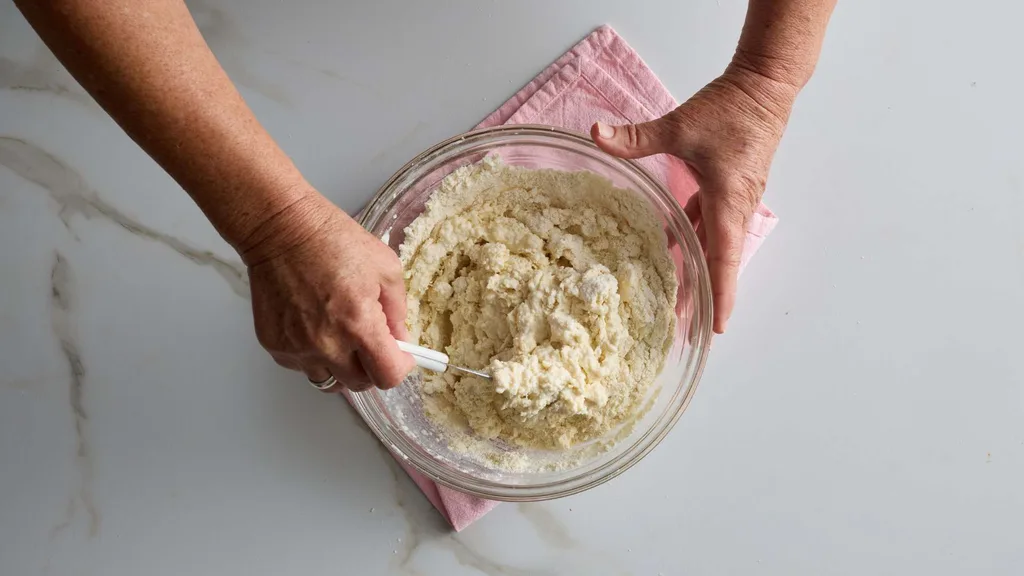
Make a well in centre; add milk. Using a round-bladed knife, cut through mixture until it forms a soft sticky dough (add 1-2 tablespoons more milk if needed).
Turn out dough onto a lightly floured surface. Knead briefly until smooth, then shape into a 2cm-thick round.
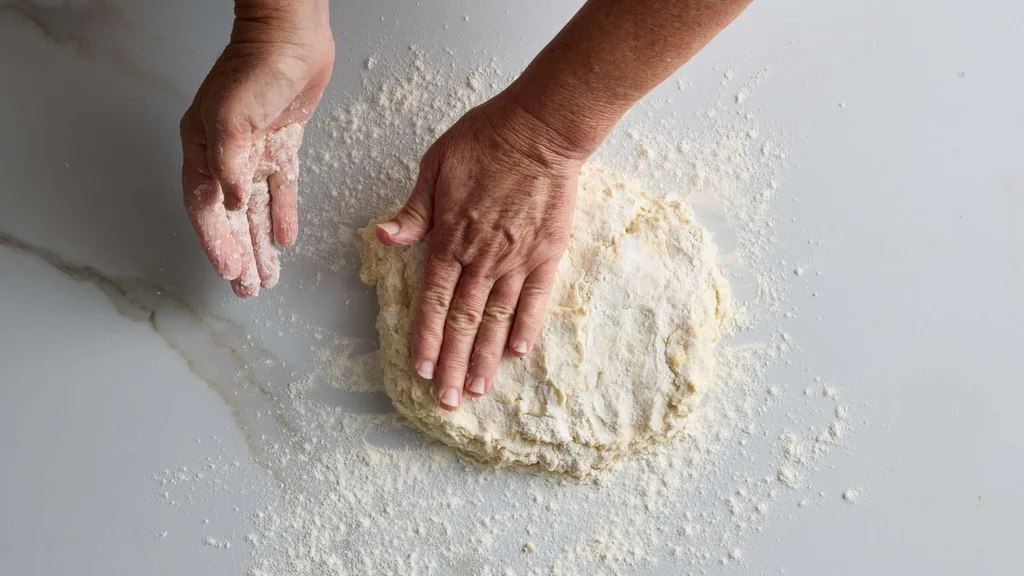
Using a 6cm plain scone cutter dipped into flour, cut round from dough. Place scones side by side on prepared tray. Brush tops with extra milk to glaze.
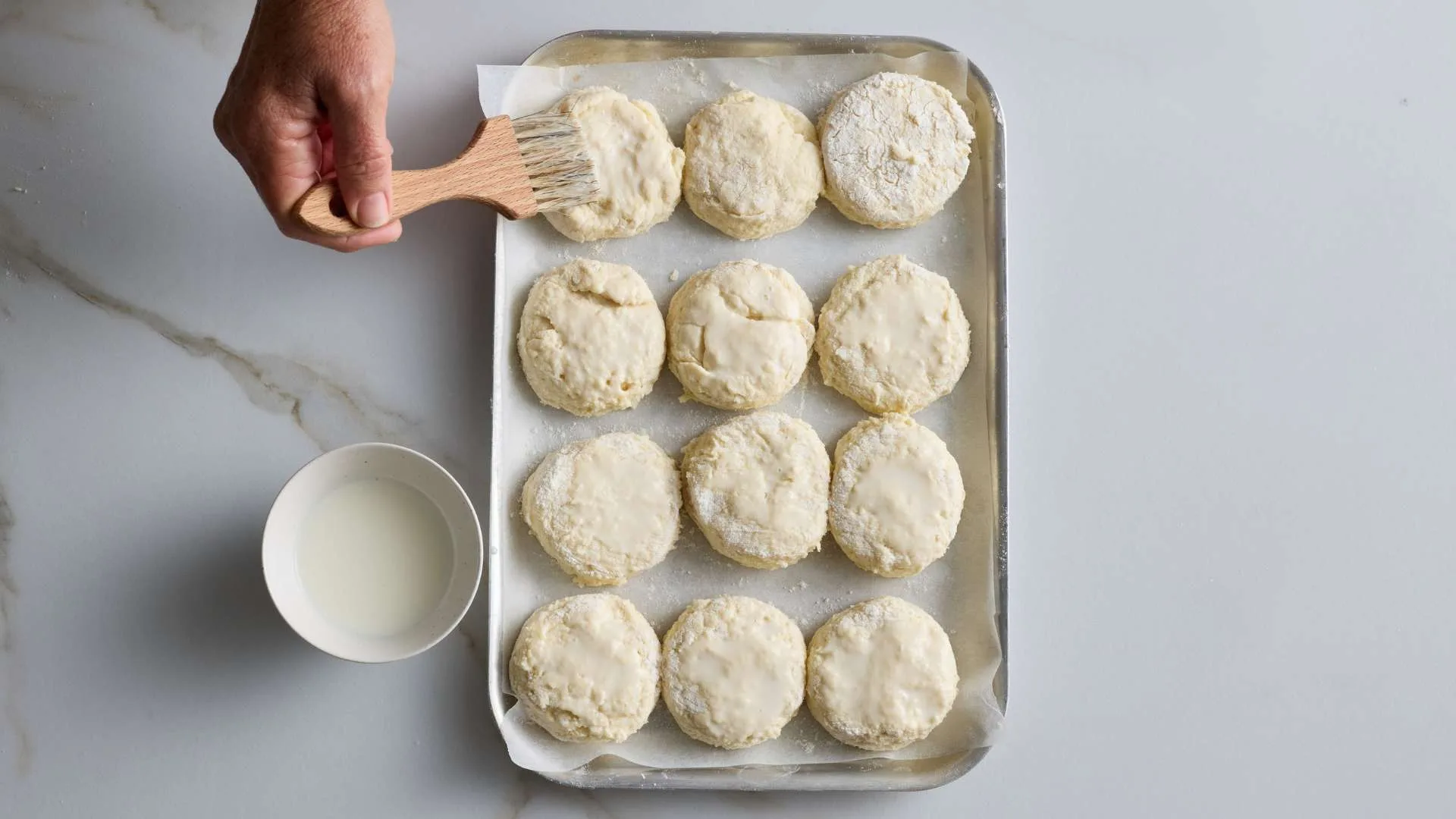
Bake for 12-15 minutes or until golden and well risen. Serve scones with jam and cream.

Scone Recipe Frequently Asked Questions
What’s the secret to fluffy scones?
Whether you’re making this scone recipe for the first time or want to perfect your skills, here are some tips to help you make scones that are light and fluffy on the inside and golden on top:
- Rub butter into the flour using only fingertips, rubbing the butter with your palms will melt it causing the dough to become tough.
- Lift the flour as you rub it into the butter to aerate the dough.
- Cut the liquid into the dry ingredients with a butter knife until the mixture is just incorporated and still looks shaggy. The mixture does not need to be smooth.
- Use a light touch to lightly knead the dough.
- Make as many scones from the first cutting as you can. Scones from subsequent rollings will be a little tougher and slightly misshapen.
- Place scones close together, about 1cm apart, on the tray, this will produce a high and even rise.
Do scones need eggs?
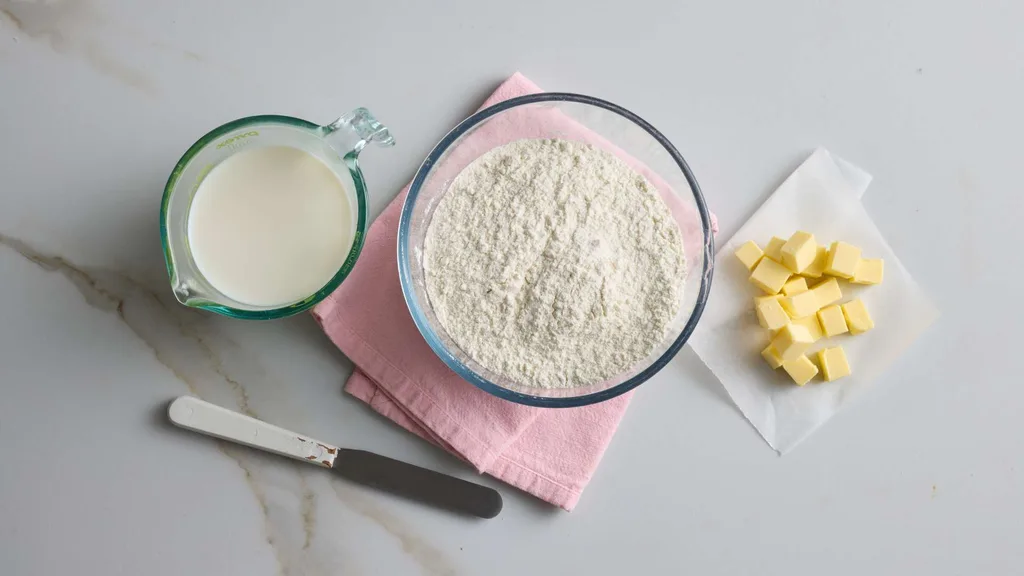
Classic scone recipes do not use eggs and they are not needed to achieve a light and fluffy scone. This recipe uses three simple ingredients: milk, self-raising flour and butter.
However, some recipes may include an egg to add moisture and richness to the scones, or as an egg wash before cooking them.
How long do scones last?
For best results, make this easy scone recipe on the day of serving. They can be stored in an airtight container for two days and frozen for up to two months.
Can I freeze scone dough?
You can freeze uncooked scones and then bake them straight from the freezer.
How to tell if scones are cooked
It’s easy to tell if scones are done. They should be well risen and even in colour. Scones don’t take long to cook through because they’re small and are baked at a high temperature. The best test is to tap them with your finger: they have quite a distinctive hollow sound.
Test the scones in the centre of the batch, as the ones on the outside will have cooked first. Slide the scones onto a wire rack and cover them loosely with a clean tea towel to cool.
4 mistakes to avoid when making this scone recipe
- Not using cold butter; it’s important the butter is cold when you make scones so that you can get a lighter crumb that helps the scones turn out fluffy.
- Over kneading the dough; this will result in a rubbery scone. Lightly knead the dough until it just comes together, it will not be smooth.
- Using too much additional flour; only lightly flour the work surface when kneading the dough, extra flour will dry out the dough and toughen the scone.
- Twisting the cutter when removing it; twisting will cause the scones to rise unevenly. Push the cutter straight down and pull it straight up in one even motion for a straight even rise.
What to serve with scones

Scones are traditionally eaten warm, topped with cream and jam. But you can eat them cool as well, especially with so many variations on the classic scone recipe. If you want to make scones in advance, you could cut them out and put them on a tray, then cover and refrigerate for a day. But they are typically best when made fresh.
Want some variety? Try our gluten free scones recipe, or check out our collection of other sweet and savoury scone recipes.